Newly engaged, and can’t decide when to get married, hopefully this may help you decide which season is right for you!
Choosing the right season for a wedding can significantly impact the overall experience, atmosphere, and planning process. Each season offers distinct advantages and potential challenges, depending on the couple’s preferences and priorities. Here’s a breakdown of the pros and cons of each season, along with tips on how to decide:
Spring (March – May)
Pros:
- Mild Weather: Spring offers comfortable temperatures, making it ideal for possible outdoor ceremonies or receptions.
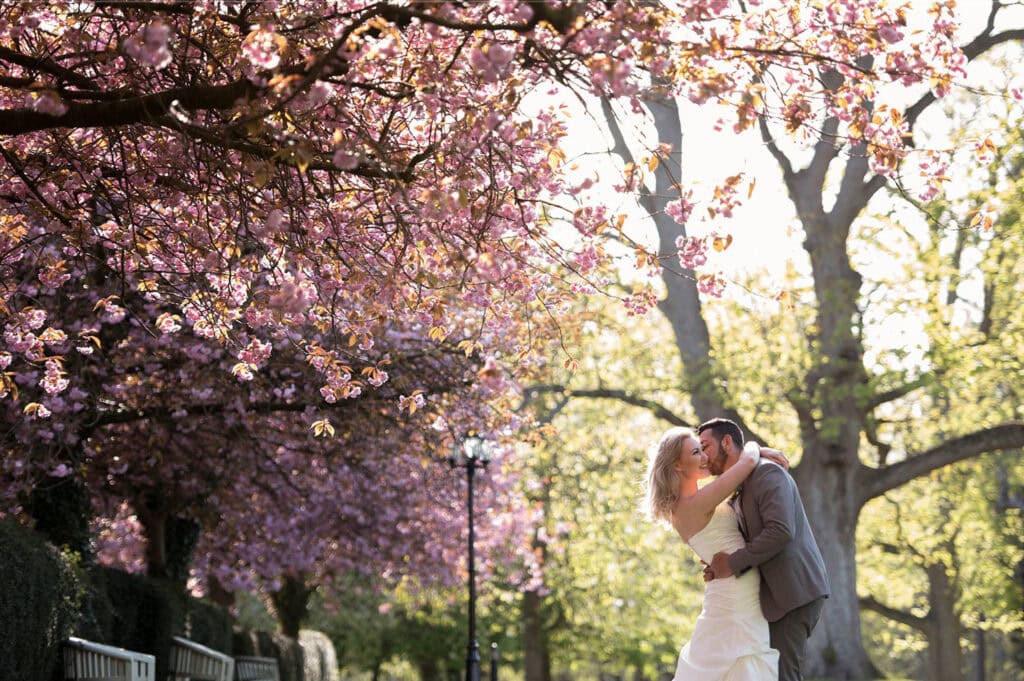
- Floral Beauty: Nature comes alive with vibrant flowers, making for stunning backdrops and easy decor choices.
- Fresh Vibe: Spring symbolizes new beginnings, which resonates with the concept of marriage.
- Availability: With no major holidays in spring (except for Easter), wedding venues and vendors might be more available compared to the busy summer months.
- Color Palette: Pastels and soft hues are popular, offering a light, romantic aesthetic.
Cons:
- Unpredictable Weather: Spring can be prone to rain showers or sudden temperature changes, which could disrupt outdoor plans.
- Higher Demand for Venues: Spring is a popular season for weddings, so venues and vendors may be in high demand, especially in May.
- Allergies: Pollen can be a concern for some guests or the couple if you’re planning outdoor events.
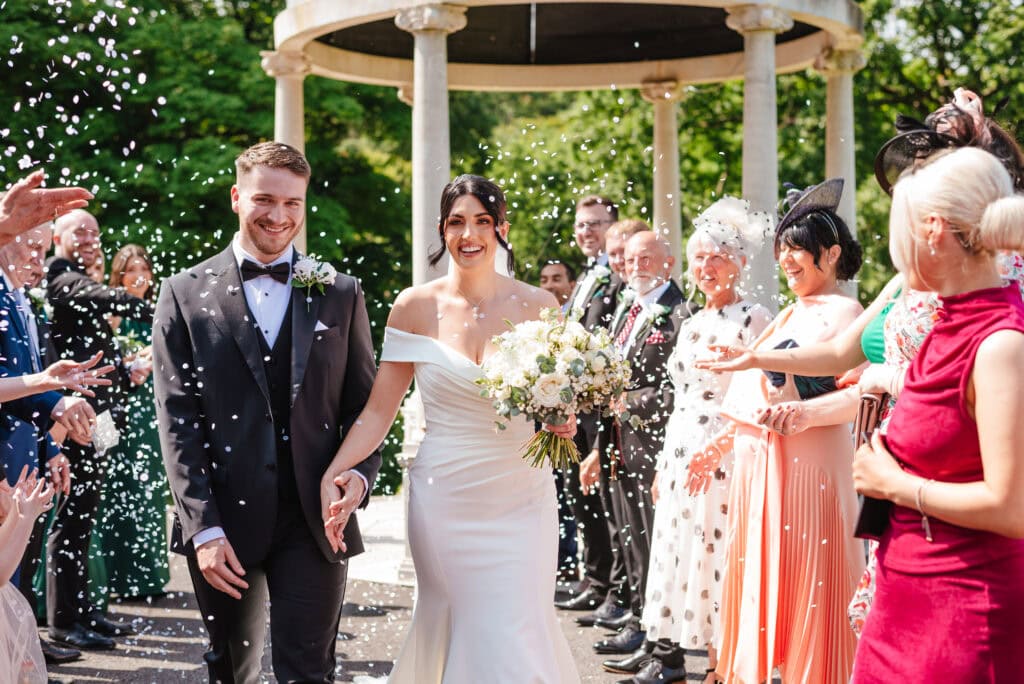
Summer (June – August)
Pros:
- Longer Days: Longer daylight hours mean you have more time for outdoor ceremonies and receptions, ideal for evening celebrations.
- Popular for Destination Weddings: Many couples choose summer for destination weddings, especially in scenic or tropical locations.
- Variety of Venue Options: A wide range of indoor and outdoor venues are available, with flexible options for summer-themed events.
- Lush and Green Scenery: Beautiful outdoor landscapes and vibrant colours for decor are abundant in summer.
Cons:
- Heat: High temperatures can be uncomfortable for outdoor events, particularly for guests dressed in formal attire.
- Busy Wedding Season: With summer being peak wedding season, you may face higher costs for venues and vendors, and availability may be limited.
- Crowded Travel: If you’re planning a destination wedding, flights and accommodations can be more expensive, and locations may be crowded with other tourists.
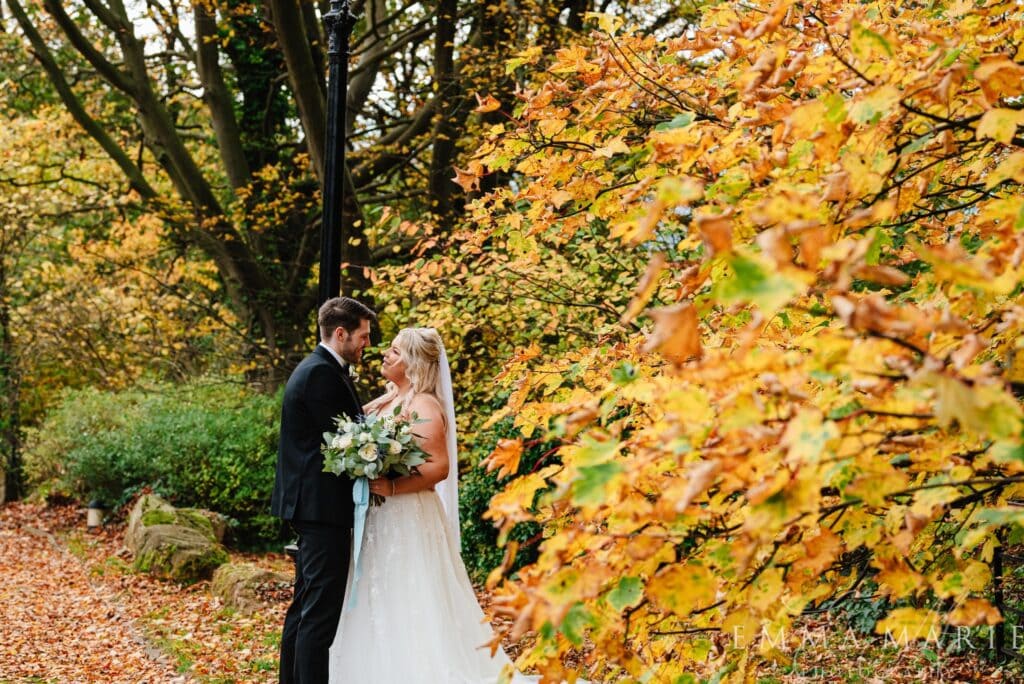
Autumn (September – November)
Pros:
- Milder Weather: Autumn offers pleasant, cool temperatures, making it comfortable for both indoor and outdoor events.
- Stunning Colors: The changing leaves provide a beautiful, natural backdrop for photos and decor. Rich, autumn colours (reds, oranges, and golds) add warmth and elegance.
- Less Competition: Autumn is often less crowded than summer, so you may find better availability of venues and vendors.
- Seasonal Food and Drink: Fall harvests bring in unique menu options (pumpkin, apple, spices) for food and drinks.
- Cozy Vibes: Autumns atmosphere tends to be intimate, cozy, and romantic, perfect for a wedding.
Cons:
- Shorter Days: As the season progresses, daylight hours decrease, so evening events may need extra lighting or indoor venues.
- Weather Fluctuations: While fall generally has mild temperatures, it can still be unpredictable, with early frosts or rainy days.
- Autumn Allergies: Like spring, autumn can have allergy triggers, especially with falling leaves and ragweed.
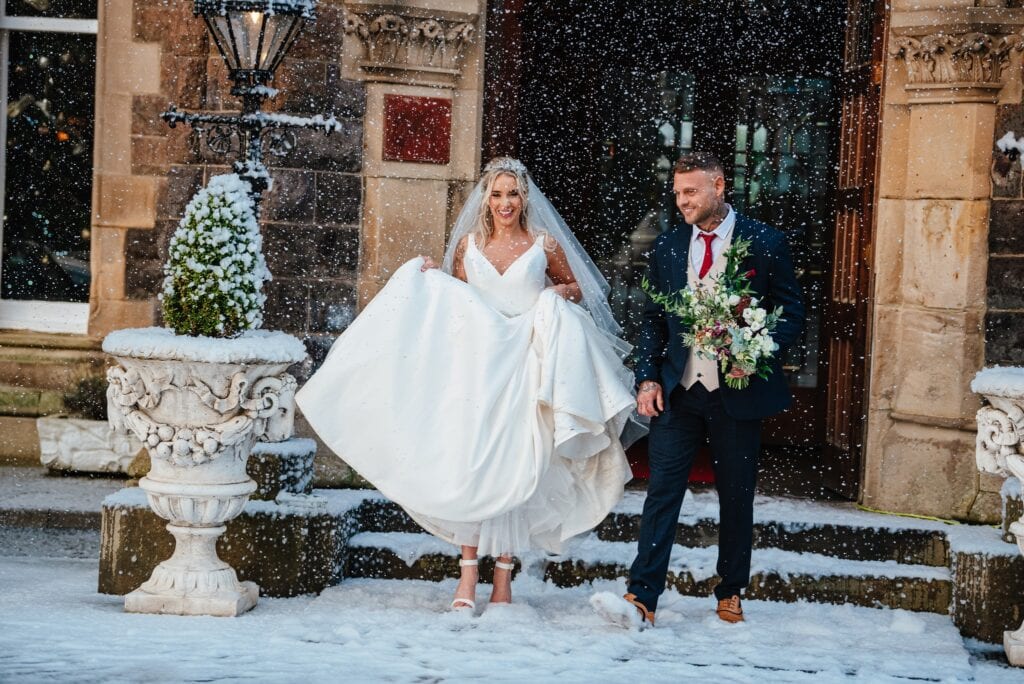
Winter (December – February)
Pros:
- Off-Season Savings: Winter weddings typically fall in the off-season, so venues and vendors may offer discounted rates.
- Holiday Cheer: If you’re planning your wedding around the holidays, the festive season adds a magical touch with lights, decorations, and an overall celebratory atmosphere.
- Intimate Atmosphere: With fewer weddings happening, venues may be less crowded, creating a more private and intimate celebration.
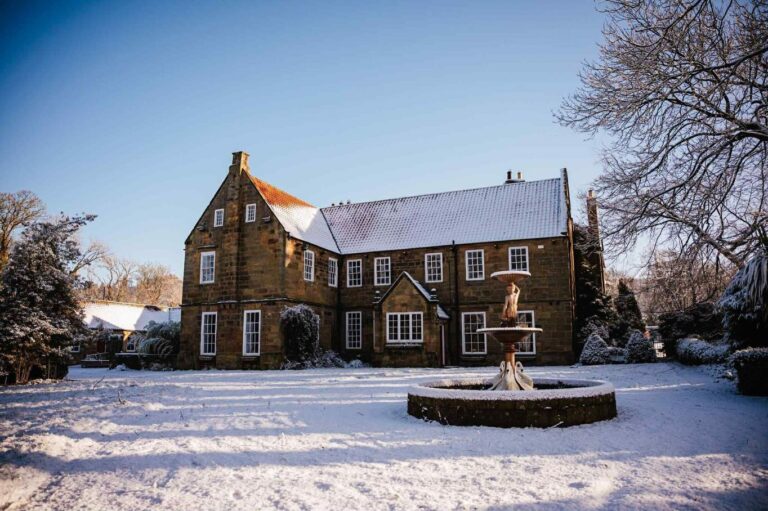
- Glamorous Winter Aesthetic: Think snowy landscapes, rich jewel tones, elegant decor with metallic accents (gold, silver, or copper), and cozy, luxe vibes.
Cons:
- Cold Weather: Cold temperatures, snow, and ice could make outdoor weddings or transportation tricky, especially in colder regions.
- Limited Daylight: Shorter days mean fewer hours of natural light for photos and outdoor events.
- Holiday Complications: Guests may already have travel or family commitments during major holidays like Christmas and New Year’s, which could make attendance tricky.
- Travel Issues: Winter weather can cause flight cancellations or delays, especially in areas prone to snowstorms or bad weather.
How to Decide:
- Prioritize Your Vision:
- If you dream of a lush garden or beach wedding, summer or spring may be ideal.
- If you’re envisioning a cozy, romantic atmosphere with seasonal decor like pumpkins or pinecones, fall or winter could be the perfect fit.
- Consider Your Budget:
- Wedding costs can fluctuate depending on the season. If you’re on a tight budget, you might benefit from a winter or fall wedding to take advantage of off-season pricing.
- Guest Comfort and Accessibility:
- Think about the comfort of your guests. If you have a lot of elderly family members or young children, avoid extreme weather conditions (either heat or cold).
- Consider if any family or friends will be traveling, especially in winter when weather-related delays could be an issue.
- Venue and Vendor Availability:
- Some venues are in higher demand during peak seasons like summer and fall, so booking early is important. If you have a specific venue in mind, check their availability and book early to avoid disappointment.
- Consider the Mood You Want to Create:
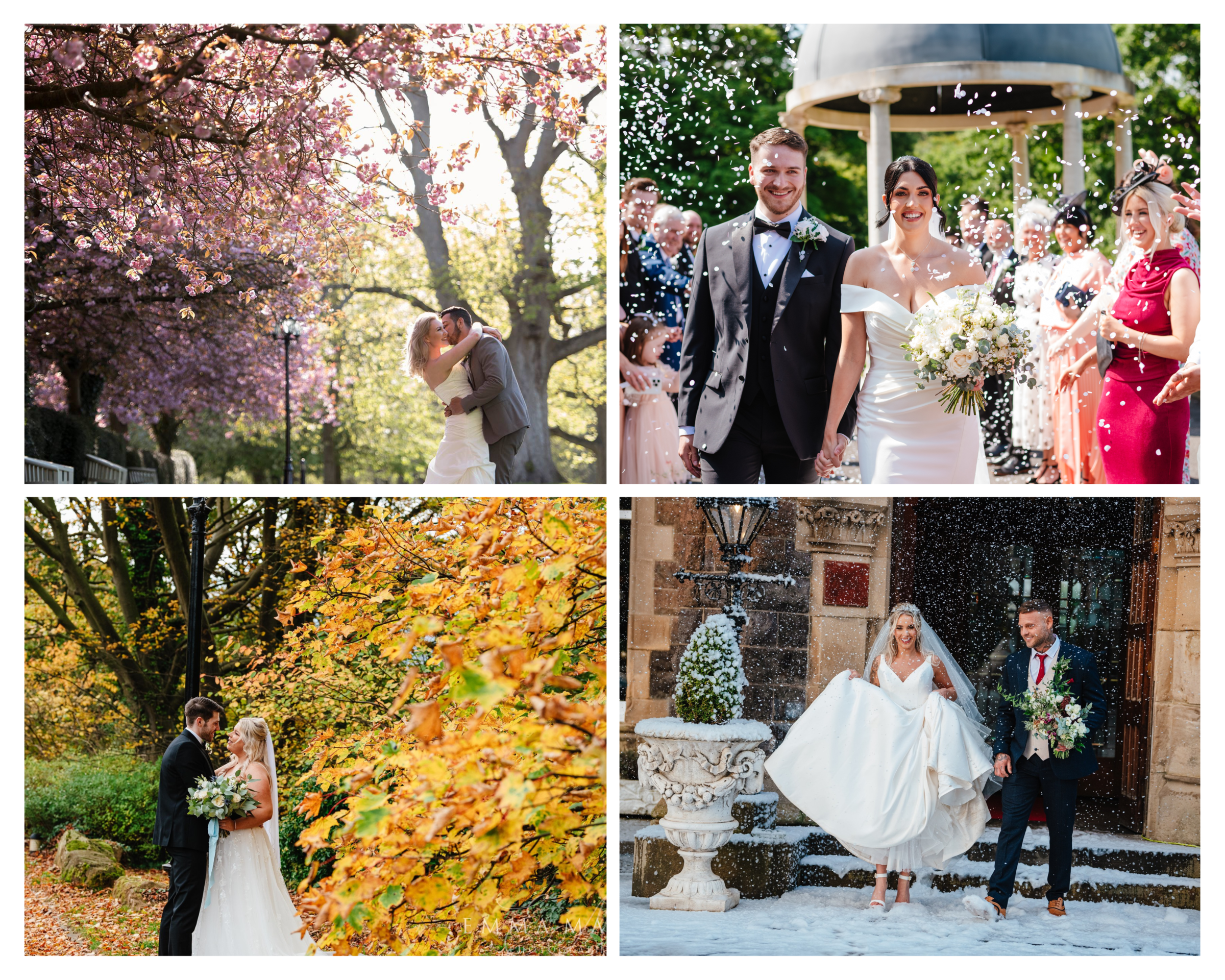
- Each season has a different atmosphere. Spring is fresh and floral, summer is bright and sunny, fall is warm and rustic, and winter is elegant and cozy. Think about which vibe matches your personalities and wedding style.
Ultimately, your choice of season should align with your vision for the wedding day, as well as practical considerations like weather, guest comfort, and budget. Take time to envision how you want your day to feel and work backward from there.